

The 2026 oil storage market is becoming more demanding, not simply larger. The International Energy Agency’s Oil 2024 report expects global oil demand to rise from about 102 million barrels per day in 2023 to nearly 106 million barrels per day by 2030. OPEC’s World Oil Outlook 2024 presents a stronger long-term demand outlook. These figures suggest continuing investment in terminals, refineries, pipelines, and strategic storage facilities. Yet demand alone does not identify a dependable supplier.
This guide evaluates each Oil Storage Tank Manufacturer through practical criteria. These include design capability, material traceability, welding quality, inspection records, delivery performance, and after-sales support. API 650 remains a widely recognized reference for welded aboveground storage tanks. API 620 may apply to certain low-pressure designs, while EN 14015 supports many European projects. Buyers should also examine corrosion allowances, floating-roof seals, foundation settlement, seismic calculations, and fire-protection interfaces. Small details matter. A poorly protected tank bottom can create costly operational trouble years later.
The manufacturers discussed here serve different markets and project conditions. Some specialize in large crude-oil terminals. Others focus on chemical-compatible coatings, modular fabrication, or regional installation. No ranking is permanently correct. A supplier with excellent workshop capacity may still struggle with remote commissioning. A lower quotation may also conceal weaker inspection coverage or slower spare-parts support. The selection process should therefore compare documented experience, not polished brochures. This article uses published industry outlooks, recognized engineering standards, and practical procurement considerations to identify manufacturers worth reviewing in 2026. Mistakes remain possible, so buyers should verify current certifications, references, and site-specific compliance before signing contracts.
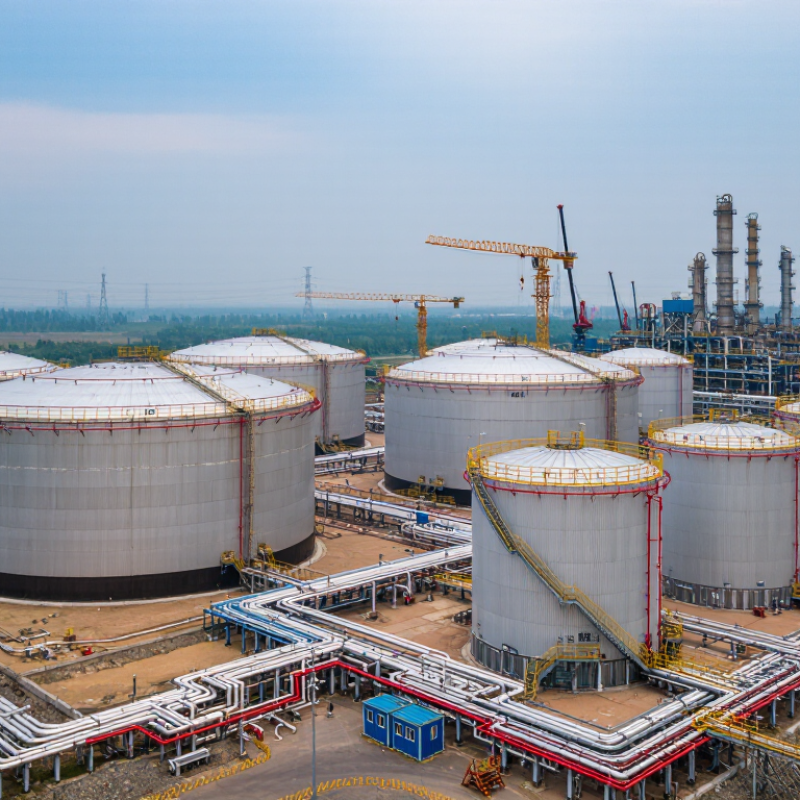
Oil storage tanks are engineered vessels that hold crude oil, refined products, or blending components before processing, transport, or delivery. They are not simply large steel containers. Floating-roof tanks can reduce vapor losses, while fixed-roof designs suit compatible products and controlled conditions. API 650 provides widely used design guidance for welded storage tanks, and API 653 supports inspection and maintenance practices.
Their operational value becomes clearer as demand and supply fluctuate. The International Energy Agency’s Oil 2024 report projects global oil demand near 105.4 million barrels per day by 2029. Storage helps terminals absorb shipment delays, refinery maintenance, seasonal demand, and temporary price differences. OPEC’s Annual Statistical Bulletin 2024 recorded about 1.57 trillion barrels of proven crude oil reserves worldwide at the end of 2023. Those volumes require dependable storage networks, not only production capacity.
Details matter. A well-designed terminal needs secondary containment, leak detection, corrosion monitoring, grounding, and safe access around ladders and valves. NFPA 30 also addresses flammable-liquid storage and fire protection principles. Operators should match tank capacity with turnover rates, product compatibility, local climate, and emergency response plans. Bigger is not always better. Oversized tanks may increase inspection burdens, vapor exposure, and unused capital. Smaller facilities can create scheduling pressure. In practice, even strong designs need frequent review because soil movement, coating damage, and changing regulations can undermine assumptions.
When global buyers compare oil storage tank manufacturers in 2026, price should not lead the decision. A low quotation may hide weak steel, limited testing, or expensive site modifications. Ask for material certificates, welding procedures, non-destructive testing records, and coating specifications. These documents show how the tank was made, not just how it is advertised. Look for engineers who understand crude oil, refined products, temperature changes, and vapor control. Practical knowledge matters.
Site conditions also shape the right manufacturer. Soil capacity, wind loads, seismic activity, rainfall, and transport limits must be reviewed before fabrication. A reliable supplier should provide drawings, foundation guidance, installation procedures, and clear inspection points. Check whether the design supports safe access, leak detection, ventilation, and secondary containment. Small details matter. A misplaced nozzle can delay piping work and increase labor costs.
After-sales support deserves careful attention. Request a realistic delivery schedule, spare-parts policy, inspection plan, and written warranty terms. Speak with previous customers when possible, especially those using tanks in similar climates. Certifications help, but they do not replace factory audits or independent inspection. I have seen impressive documents fail to explain basic maintenance responsibilities. No checklist is perfect. Buyers should record assumptions, question unclear claims, and confirm every technical requirement before signing.
Leading oil storage tank manufacturers for international buyers in 2026 must offer more than steel fabrication.
Experienced suppliers understand crude oil, diesel, lubricants, and other permitted petroleum products require different storage conditions. Their engineering teams should assess capacity, temperature, vapor control, foundation loads, and local climate before production.
Small details matter. A tank exposed to coastal humidity needs stronger corrosion protection and careful coating inspection.
Reliable manufacturers usually work with recognized design standards, such as API 650 or EN 14015, when suitable for the project.
They provide material certificates, welding records, dimensional reports, and hydrostatic test results.
International buyers should also request traceability for plates, nozzles, valves, and internal components.
Clear documentation reduces customs delays and supports inspections at the destination site.
Manufacturing quality is only part of the decision. Strong suppliers can manage modular delivery, export packaging, installation guidance, and spare-part support across borders.
They should explain lead times honestly, including risks from port congestion or seasonal weather.
A low quotation may look attractive, but it can exclude insulation, ladders, grounding, or commissioning assistance.
No supplier is perfect.
Buyers should compare technical scope line by line and record unanswered questions.
Factory visits, video inspections, and independent quality checks can reveal problems that polished brochures often hide.
Global buyers should compare oil storage tanks by service conditions, not appearance alone. Fixed-roof tanks suit many stable products, while floating-roof designs can reduce vapor space. Horizontal tanks work well for smaller volumes and limited sites. Double-wall construction adds protection where leakage control is critical.
Carbon steel offers strength and competitive pricing. Stainless steel handles demanding corrosion conditions, but costs more. Tank design may follow API 650, API 620, EN 14015, or applicable local rules. Confirm the correct standard with a qualified engineer. Ask for weld procedures, material certificates, non-destructive testing records, coating specifications, and factory inspection reports. These documents show more than polished photographs.
Tips: Define the stored product, temperature, density, capacity, and filling cycle before requesting quotations. Specify nozzles, ladders, gauges, vents, insulation, heating coils, and secondary containment. Check wind, seismic, foundation, and drainage conditions at the installation site. Customization is useful, but unnecessary accessories increase maintenance. In practice, specifications are rarely perfect. A missed drain detail can create serious cleaning problems later. Allow design reviews, pressure checks, coating inspections, and commissioning support. A dependable manufacturer should explain limitations clearly, not promise every option without evidence.
| Tank Category | Typical Storage Medium | Common Capacity Range | Primary Materials | Applicable Standards and Codes | Typical Manufacturing Configuration | Common Customization Options for Global Buyers |
|---|---|---|---|---|---|---|
| Aboveground Fixed-Roof Tank | Crude oil, diesel, fuel oil, lubricants, and other non-volatile petroleum products | 50 m³ to more than 100,000 m³ | Carbon steel; stainless steel for corrosive or high-purity service | API 650; EN 14015; AWWA D100 where applicable; NFPA 30 for flammable-liquid facility design | Welded vertical cylindrical tank with cone, dome, or umbrella roof | Tank diameter and height, shell thickness, roof type, internal coating, heating coils, insulation, stairs, platforms, nozzles, level instruments, and seismic design |
| External Floating-Roof Tank | Crude oil, gasoline blend components, naphtha, and other products requiring reduced vapor emissions | 5,000 m³ to more than 150,000 m³ | Carbon steel shell with steel floating roof and elastomeric or metallic rim seal | API 650; API 653 for inspection, repair, alteration, and reconstruction; NFPA 30 | Open-top welded tank with pontoon or double-deck floating roof | Single or double-deck roof, primary and secondary seals, wind girders, foam systems, roof drains, gauging equipment, and corrosion allowance |
| Internal Floating-Roof Tank | Gasoline, solvents, aromatics, and volatile petroleum liquids | 500 m³ to approximately 100,000 m³ | Carbon steel tank with aluminum, carbon-steel, or stainless-steel internal floating roof | API 650; API 653; NFPA 30; local fire and environmental regulations | Fixed-roof tank fitted with an internal floating pan, pontoon roof, or full-contact roof | Roof buoyancy design, vapor-space ventilation, seals, anti-static provisions, access platforms, gauging systems, and vapor emission controls |
| Horizontal Aboveground Tank | Diesel, gasoline, waste oil, hydraulic oil, and small-volume process liquids | 5 m³ to approximately 150 m³ per tank | Carbon steel; stainless steel or coated steel for special service | UL 142 for shop-fabricated aboveground tanks where applicable; STI SP001 inspection guidance; NFPA 30 | Horizontal cylindrical tank on saddles, legs, or structural supports | Single or double wall, leak-detection interstitial space, saddles, dispensing cabinet, vents, pump packages, gauges, and protective coating systems |
| Underground Storage Tank | Motor fuels, heating oil, lubricants, and selected chemical liquids | 10 m³ to approximately 150 m³ per tank | Double-wall steel, fiberglass-reinforced plastic, or steel with reinforced protective coating | UL 58 for underground steel tanks where applicable; UL 1746 for corrosion protection; EN 12285-1 for certain European applications | Horizontal cylindrical single-wall or double-wall tank installed below grade | Interstitial leak monitoring, cathodic protection, spill containment, overfill prevention, flexible connectors, sump systems, and product-specific lining |
| Shop-Fabricated Double-Wall Tank | Diesel, lubricants, emergency fuel, generator fuel, and regulated liquids | 1 m³ to approximately 120 m³ | Carbon steel inner and outer shells; stainless steel inner shell for corrosive products | UL 142; UL 2085 for protected aboveground tanks where applicable; NFPA 30 | Factory-assembled rectangular or cylindrical tank with secondary containment | Fire-resistant insulation, impact protection, leak sensors, pump and filter packages, day-tank integration, access doors, and remote monitoring |
| Bolted Steel Tank | Fuel oil, process water, firewater, wastewater, and selected petroleum products | 50 m³ to approximately 10,000 m³ | Glass-fused-to-steel, galvanized steel, epoxy-coated steel, or stainless steel | AWWA D103 for factory-coated bolted steel tanks; API 12B for certain bolted oilfield tanks; NFPA 22 for firewater applications | Factory-fabricated panels assembled at site with bolted joints and gasketed connections | Panel coating system, roof style, liner, foundation interface, manways, mixers, heating equipment, insulation, and rapid installation packages |
| Field-Welded Low-Pressure Tank | Volatile liquids, refrigerated products, and process fluids requiring controlled internal pressure | 500 m³ to more than 100,000 m³ | Carbon steel, low-temperature carbon steel, or stainless steel selected for operating temperature | API 620; API 650 for applicable atmospheric portions; ASME Section VIII for separately designed pressure components | Welded vertical tank designed for low internal pressure and controlled vacuum conditions | Design pressure, vacuum rating, low-temperature materials, insulation, vapor-control systems, pressure-vacuum relief valves, and specialized foundations |
| Insulated and Heated Tank | Heavy fuel oil, asphalt, bitumen, wax, palm oil, and high-viscosity products | 50 m³ to approximately 50,000 m³ | Carbon steel with mineral wool, polyurethane, or cellular-glass insulation; stainless steel for selected products | API 650; EN 14015; NFPA 30; local thermal and fire-safety requirements | Vertical fixed-roof tank fitted with steam, thermal-oil, or electrical heating equipment | Heating surface area, steam coils, thermal-oil coils, electric tracing, insulation thickness, cladding, temperature controls, mixers, and viscosity monitoring |
| Stainless-Steel Storage Tank | Biofuels, edible oils, specialty chemicals, solvents, and corrosive petroleum-related liquids | 5 m³ to approximately 10,000 m³ | 304/304L or 316/316L stainless steel; duplex stainless steel for selected aggressive environments | API 650 where applicable; EN 14015; ASME Section VIII for pressure-rated designs; applicable sanitary or chemical-process codes | Vertical or horizontal welded tank with polished, passivated, or coated internal surfaces | Internal finish, electropolishing, passivation, clean-in-place system, sanitary fittings, load cells, agitators, inert-gas blanketing, and corrosion-resistant accessories |
| LNG or Cryogenic Storage Tank | Liquefied natural gas and other cryogenic liquids | 100 m³ to more than 200,000 m³ | Carbon-steel outer tank with nickel steel, stainless steel, or aluminum alloy inner containment depending on design | EN 14620; API 620 Appendix Q for applicable low-temperature tank designs; NFPA 59A for LNG facilities | Single, double, or full-containment tank with thermal insulation and vapor-management systems | Containment configuration, seismic loads, insulation system, boil-off-gas handling, emergency shutdown, pressure relief, instrumentation, and loading connections |
| Flexible Fabric Tank | Diesel, water, temporary fuel reserves, and selected non-aggressive liquids | 5 m³ to approximately 1,000 m³ | Reinforced PVC, TPU, or coated polyester fabric selected for chemical compatibility | Product-specific material certifications; local fire, environmental, and secondary-containment requirements | Collapsible bladder or pillow tank installed on a prepared containment surface | Fabric thickness, fuel compatibility, grounding provisions, fill and discharge fittings, level sensors, bunding, transport configuration, and rapid-deployment accessories |
| Tank Farm Package | Crude oil, refined fuels, additives, blending components, and process liquids | Multiple tanks from 1,000 m³ to more than 500,000 m³ total site capacity | Primarily carbon steel, with stainless steel or lined components for special products | API 650; API 653; NFPA 30; API 2610 for terminal and tank-farm planning guidance; applicable local regulations | Multiple storage tanks connected to manifolds, transfer pumps, loading systems, and containment areas | Tank layout, bund-wall capacity, piping manifolds, firewater and foam systems, truck or ship loading, metering, automation, grounding, lightning protection, and environmental monitoring |
2026 Top Oil Storage Tank Manufacturers for Global Buyers
Selecting the right oil storage tank manufacturer requires more than comparing quoted prices. The International Energy Agency’s Oil 2024 report projects global oil demand at 105.4 million barrels per day by 2030. That growth increases pressure on safe, scalable storage infrastructure. Buyers should examine tank design, material traceability, welding procedures, inspection records, and corrosion protection. Compliance with recognized standards, such as API 650 or ISO 28300, should be verified against the project’s location and stored product.
Tip: Request sample quality records before signing. Check welder qualifications, non-destructive testing results, steel certificates, and coating specifications. A polished brochure proves little. Site references matter more. Speak with previous buyers about leakage control, construction delays, and after-sales response. Delivery capacity also deserves attention, especially when ports, cranes, or remote roads limit installation.
A fair comparison should include total ownership cost, not only the initial quotation. Compare shell thickness, roof design, foundation requirements, heating systems, spare parts, inspection access, and expected maintenance intervals. The cheapest tank may demand frequent recoating. That is an expensive surprise. IEA data supports stronger demand planning, but market forecasts cannot replace local engineering checks. Review wind loads, seismic conditions, temperature changes, fire protection, and environmental permits with an independent engineer. Purchase contracts should define inspection hold points, factory acceptance testing, documentation, warranty limits, and liquidated damages. No comparison is perfect. Missing one technical assumption can distort the entire decision.
Storage capacity is a practical starting point when comparing tank manufacturers. The chart converts common nominal tank capacities from cubic metres to US oil barrels using the standard conversion factor of 1 m³ = 6.28981 US oil barrels.
When evaluating suppliers, confirm the usable working capacity, tank material, corrosion allowance, applicable API or EN standards, inspection requirements, delivery scope, and local regulatory compliance.
Our Off-grid experts will come back with recommendations

Stay up to date with Leading Edge innovations and offers by joining our mailing list. Occassionally we send informative newsletters, offers and promotions that we think you'll find useful or interesting.