China Top Lithium Charge Controller Solar Manufacturers?
China’s lithium solar market has moved far beyond basic charge regulation. Manufacturers now compete through battery protection, thermal control, firmware quality, and long-term field performance. A dependable Lithium Charge Controller Solar unit should manage charging stages accurately. It should also protect lithium batteries from overvoltage, deep discharge, overheating, and unstable current.
Energy-storage specialist Dr. Haresh Kamath often emphasizes that “safety must remain central to energy-storage design.” This principle matters when comparing Chinese manufacturers. A controller may look impressive on a specification sheet. However, real performance depends on testing, component traceability, software stability, and after-sales support. A 12-volt controller installed in a small cabin faces different demands from a 48-volt commercial system. Product selection cannot rely on price alone.
This guide examines leading Chinese Lithium Charge Controller Solar manufacturers through practical criteria. These include battery compatibility, MPPT efficiency, communication interfaces, certifications, warranty terms, and production experience. We also consider how manufacturers respond to changing battery chemistries and installation conditions. A controller working well in a dry factory test may behave differently beside a hot rooftop battery cabinet.
Some evaluations remain difficult. Public efficiency figures are not always measured under identical conditions. Marketing language can also hide important limitations. Readers should verify test reports, wiring requirements, protection settings, and service policies before purchasing. The best supplier is not always the largest one. It is the company that explains its limits clearly and supports the product after installation.
What Is a Lithium Battery Solar Charge Controller?
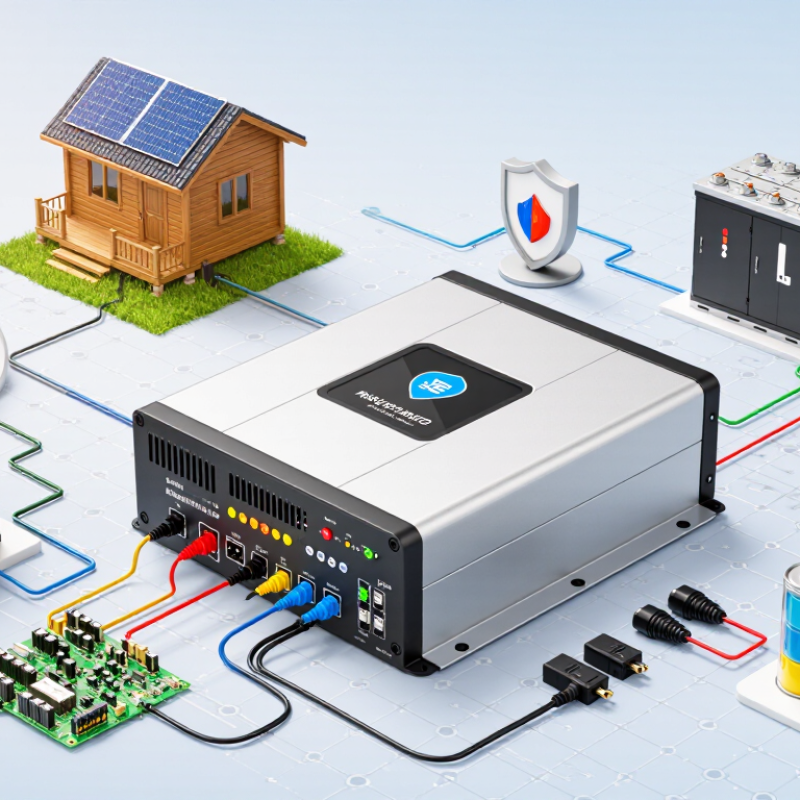
A lithium battery solar charge controller regulates energy flowing from photovoltaic panels into a lithium battery. It prevents overcharging, excessive discharge, overheating, and unsafe current levels. Unlike older lead-acid systems, lithium batteries require accurate charging stages and communication with their battery management system (BMS). The controller may reduce charging current when the battery reaches its voltage limit. It can also disconnect the load during abnormal conditions.
Most modern systems use maximum power point tracking (MPPT). MPPT adjusts panel voltage and current as sunlight changes, improving energy harvest compared with basic PWM control. The International Energy Agency reported that global solar photovoltaic additions exceeded 400 GW in 2023. That expansion increases demand for controllers that operate reliably under variable temperatures, partial shading, and frequent cycling. IRENA’s Renewable Capacity Statistics 2024 also recorded solar power as the fastest-growing renewable capacity category. These figures support careful component selection, not automatic confidence in every specification sheet.
Tips: Check the battery’s recommended charge voltage, continuous current, communication protocol, and temperature range. Match the controller to the panel’s open-circuit voltage, even during cold weather. Installation experience shows that loose terminals can create heat and false faults. A fuse near the battery remains important. Do not assume a larger controller is always safer; poor settings can damage cells. Independent testing, traceable certificates, and clear warranty terms matter when comparing manufacturers in China or elsewhere. One detail is easy to miss: efficiency figures may reflect laboratory conditions, not a dusty rooftop at midday.
How to Evaluate China’s Top Lithium Charge Controller Suppliers
How to Evaluate China’s Top Lithium Charge Controller Suppliers
China’s lithium charge controller market is expanding with solar deployment. The IEA reported nearly 510 GW of new renewable capacity in 2023. Solar contributed about three-quarters of that growth. This demand makes supplier evaluation more important than low pricing. Check whether the controller supports lithium battery profiles, accurate voltage sensing, temperature compensation, and adjustable charging limits. A product sheet is not proof. Request independent test reports covering IEC 62109 safety requirements, electromagnetic compatibility, and thermal performance.
Supplier experience should be visible in real installations. Ask for test records from hot, humid, and cold environments. Review warranty failure rates, replacement procedures, firmware controls, and component traceability. BloombergNEF reported that average lithium-ion battery pack prices fell to 115 dollars per kWh in 2024. Lower storage costs may increase system demand, but they can also pressure suppliers to reduce component quality. That risk deserves attention. I would compare at least three factories, inspect production lines, and verify calibration equipment before ordering.
Tips: Ask for a sample unit. Measure charging accuracy under changing sunlight. Confirm communication protocols and protection against overcurrent, reverse polarity, and overheating. Do not rely on certificates alone. Some documents may be outdated, incomplete, or difficult to verify. A small pilot order can reveal software bugs, connector weakness, and delayed technical support before larger commitments.
Key Technologies in Lithium Solar Charge Controllers
China Top Lithium Charge Controller Solar Manufacturers?
Lithium solar charge controllers rely on accurate voltage control, fast sensing, and stable power conversion. The key technology is MPPT, which tracks changing panel output during clouds, heat, and partial shade. A strong controller can harvest more energy than a basic PWM design. However, efficiency ratings can look better in laboratories than on rooftops.
Lithium batteries need different charging logic from lead-acid batteries. The controller should support adjustable bulk, absorption, and float settings. It should also communicate with the battery management system when possible. This connection can stop charging during overvoltage, overheating, or low-temperature conditions. Low-temperature charging protection matters in winter installations. Not every system needs traditional temperature compensation. Incorrect compensation may reduce battery life.
Protection hardware is equally important. Reliable controllers use current limiting, reverse-polarity protection, thermal shutdown, and short-circuit detection. MOSFET quality, heat-sink design, and cable terminals affect long-term performance. I have seen small installation errors create more heat than expected. Cable length and connector pressure deserve careful testing. Remote monitoring adds value through voltage, current, temperature, and fault records. Still, software data can be incomplete. Field checks remain necessary. A practical evaluation should include several cloudy days, nighttime standby use, and recovery after a protection event. Certified testing supports trust, but real installation experience reveals weaknesses that specifications may hide.
How to Select the Right Chinese Manufacturer for Your Project
China Top Lithium Charge Controller Solar Manufacturers?
How to Select the Right Chinese Manufacturer for Your Project
Choosing a Chinese manufacturer requires more than comparing online prices. Define your system voltage, lithium battery chemistry, charging current, temperature range, and communication needs. A controller for a small cabin differs greatly from one used in a commercial solar installation. Write these requirements clearly.
Ask for technical datasheets, wiring diagrams, test reports, and samples before discussing large orders. Check whether the manufacturer follows relevant IEC requirements and maintains a documented quality system. Factory audits can reveal practical details, such as calibration records, burn-in procedures, and component storage conditions. Certifications alone are not enough.
Request evidence of protection against overcharging, overheating, reverse polarity, and short circuits. Confirm performance under low temperatures and unstable sunlight. Ask how firmware updates are controlled and how failed units are analyzed. Reliable suppliers should explain warranty limits, spare parts, inspection procedures, and production lead times without vague promises.
Communication matters more than many buyers expect. A capable engineer should answer specific questions about charging curves and load compatibility. Test a sample in conditions close to your project. Measure voltage stability, heat, and recovery behavior. Do not trust a polished catalog too quickly. I would also avoid choosing solely by the lowest quotation; that decision can create hidden costs later. Even careful teams can miss details, especially when specifications change during negotiation. Keep every approved drawing and test result in writing.
China Top Lithium Charge Controller Solar Manufacturers? How to Select the Right Chinese Manufacturer for Your Project
Use the battery system voltage as the first compatibility filter when evaluating a Chinese solar charge controller manufacturer. The chart shows common nominal configurations: lead-acid systems are typically rated at 12, 24, or 48 V, while LiFePO4 systems commonly use 12.8, 25.6, or 51.2 V. Confirm charging voltage, lithium battery communication, protection functions, certifications, testing records, warranty terms, and after-sales support before selecting a supplier.