Essential Tips for Choosing a Vehicle Power Inverter?
In today's world, the integration of technology into vehicles is more significant than ever. A vehicle power inverter serves as a vital tool for converting DC power from a vehicle’s battery into AC power. This transformation allows for the operation of various electronic devices on the go. According to a recent report from the Automotive Electronics Association, the market for vehicle power inverters is expected to grow by 15% annually through 2025. This growth highlights the increasing demand for portable power solutions.
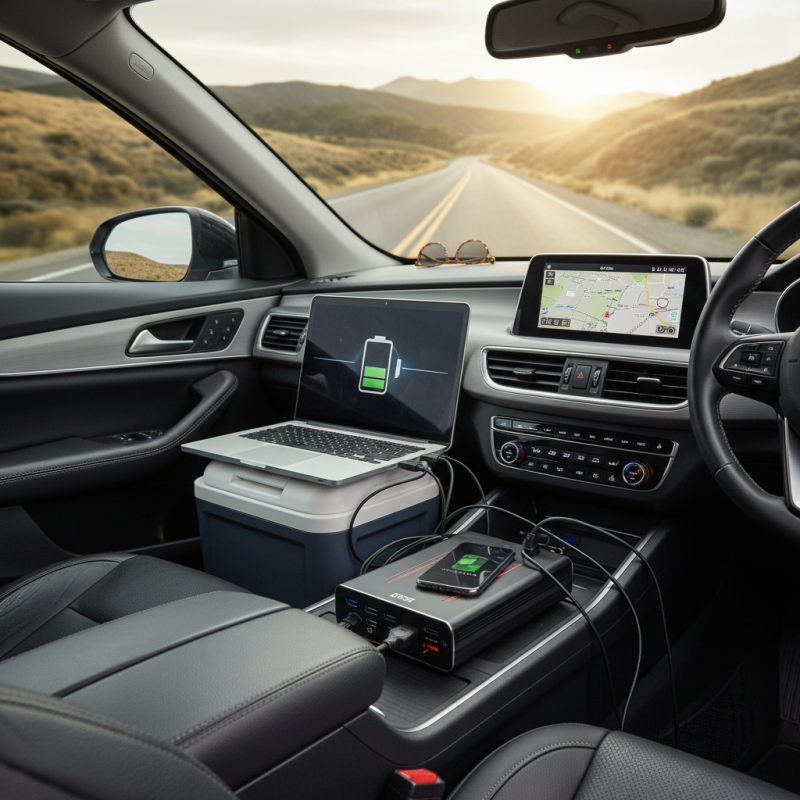
Industry expert John Michalski states, "Choosing the right vehicle power inverter can directly impact your travel experience." His insight resonates as more drivers seek to power devices such as laptops, smartphones, and portable refrigerators. However, the choice can be overwhelming. Many models flood the market, each claiming to be the best. Factors like wattage, size, and safety features are crucial yet often confusing.
Consideration must be given to the specific needs of the consumer. A higher wattage may seem appealing, but it could lead to overloading if improperly matched with the vehicle's capacity. Exploring these nuances is essential for making an informed decision. Balancing power requirements with safety is key to ensuring a reliable and enjoyable driving experience.
Understanding Vehicle Power Inverters: Types and Functions
When choosing the right power inverter for your vehicle, it's essential to understand the different types available. There are two primary categories: modified sine wave and pure sine wave inverters. Modified sine wave inverters are generally less expensive and can power basic devices. However, they may not be suitable for sensitive electronics. On the other hand, pure sine wave inverters provide clean power, making them ideal for laptops and medical devices. Determining what you need is critical before making a choice.
Consider your power requirements. How many devices will you use simultaneously? Know the wattage needs for each device. This will help avoid overloading the inverter, which can lead to equipment failure. A common mistake is assuming that a higher wattage rating is always better. Too much capacity can be wasteful and may lead to unnecessary costs.
Pay attention to the inverter's conversion efficiency. A lower efficiency means more power loss during conversion. This can impact battery life, requiring more frequent recharges. If you often use energy-intensive devices, finding a balance in efficiency is worth reflecting on. It’s easy to overlook these details, yet they significantly affect your overall experience.
Key Specifications to Consider When Selecting a Power Inverter
When selecting a vehicle power inverter, it's crucial to consider its specifications. The wattage capacity is a key factor. It determines how many devices can operate simultaneously. A higher wattage can handle multiple electronics. Check your devices' power requirements. This will help avoid overloading the inverter.
Next, look at the inverter type. There are modified sine wave and pure sine wave inverters. Modified sine wave inverters are cheaper but may not work well with sensitive electronics. Pure sine wave inverters provide cleaner power. They are ideal for laptops and medical devices. Think about what you need to power.
Efficiency is another important aspect. Higher efficiency means less energy wasted and longer battery life. Also, check for safety features like overload protection. Consider the size and weight. A portable inverter can be handy for road trips. Finally, read reviews carefully. Users often share insights that could be invaluable. Reflection on your specific needs is vital before making a choice.
Essential Tips for Choosing a Vehicle Power Inverter
| Specification | Description | Importance |
| Power Output | Total wattage supplied by the inverter. | Determines how many devices can be powered simultaneously. |
| Output Waveform | Types of output waveforms: Pure sine wave, Modified sine wave. | Affects compatibility with sensitive electronics. |
| Input Voltage | The voltage from the vehicle’s battery (typically 12V or 24V). | Must match the car battery voltage to avoid damage. |
| Number of Outlets | Number of AC/DC outlets available on the inverter. | More outlets mean more devices can be powered at once. |
| Safety Features | Includes fuses, short-circuit protection, and temperature control. | Ensures safe operation and prevents damage to devices. |
| Portability | Weight and size of the inverter. | Important for ease of transport and storage. |
| Price | Cost of the inverter. | Higher price may indicate better quality and features. |
Power Inverter Efficiency Ratings: What They Mean for Your Needs
When selecting a vehicle power inverter, understanding efficiency ratings is crucial. These ratings indicate how well an inverter converts battery power into usable AC power. A higher efficiency rating means less wasted energy. This is important when you're relying on limited battery capacity.
Efficiency ratings are typically expressed as a percentage. For example, an inverter rated at 90% efficiency uses most of the power it draws. However, some may fall below that mark, leading to wasted energy. Choosing an inverter below 80% can lead to frustration. You'll find yourself frequently recharging your battery.
Keep in mind, though, that efficiency isn't the only factor. Price and size also play roles in your decision. A compact inverter may appeal, but it might sacrifice efficiency. It's essential to balance these aspects based on your needs. Reflect on how much power you really need. This can clear up confusion and help you choose wisely.
Safety Features and Certifications to Look for in Power Inverters
When choosing a vehicle power inverter, safety features are crucial. A good inverter should have short circuit protection. This prevents damage if something goes wrong. Overload protection is also essential. It keeps the device safe by shutting it down when it exceeds its limits. These features can save your equipment and your vehicle.
Look for inverters with certifications from recognized organizations. A UL certification indicates that the product meets safety standards. This can give you peace of mind while using your devices. Additionally, a built-in fuse adds another layer of safety. However, sometimes these fuses can blow unexpectedly. You might find yourself without power in crucial moments.
Consider the inverter's cooling system. An effective cooling mechanism can prevent overheating. An inverter might run smoothly, but heat buildup can be an issue. Some designs do not handle heat well. You could end up damaging your inverter if you aren’t careful. Pay attention to these safety aspects before making a choice.
Calculating Your Power Needs: How to Choose the Right Inverter Size
When choosing a vehicle power inverter, understanding your power needs is crucial. Start by calculating the wattage of the devices you plan to use. This includes everything from laptops to small appliances. Use a simple formula: wattage = voltage × amps. This helps pinpoint the inverter size you need. For example, a laptop might draw 50 watts, while a small fridge could exceed 100 watts.
Be aware of peak power requirements as well. Some devices need additional energy to start, which can double their wattage. Factors like this can make choosing the right inverter tricky. Don't forget about how long you plan to use these devices. If you're on a long road trip, a larger inverter might serve you better. Testing different setups can also reveal unexpected power needs.
Remember, calculating accurately is key to avoiding frustration. A wrong inverter size could leave you without power when you need it most. It's worth double-checking calculations to prevent any surprises. Take the time to really think about your energy use.