How to Choose the Best Photovoltaic Module for Your Needs?
Choosing the right Photovoltaic Module can greatly impact your energy needs. Renowned solar energy expert Dr. Emily Carter emphasizes, "The efficiency of your solar system starts with the module selection." This statement highlights the importance of understanding various factors when selecting a module.
Photovoltaic Modules come in different types, each offering unique benefits and limitations. It can be overwhelming to navigate through the options available in today’s market. For instance, monocrystalline modules tend to be more efficient. However, they usually come at a higher price. On the other hand, polycrystalline modules are cost-effective but may provide lower efficiency.
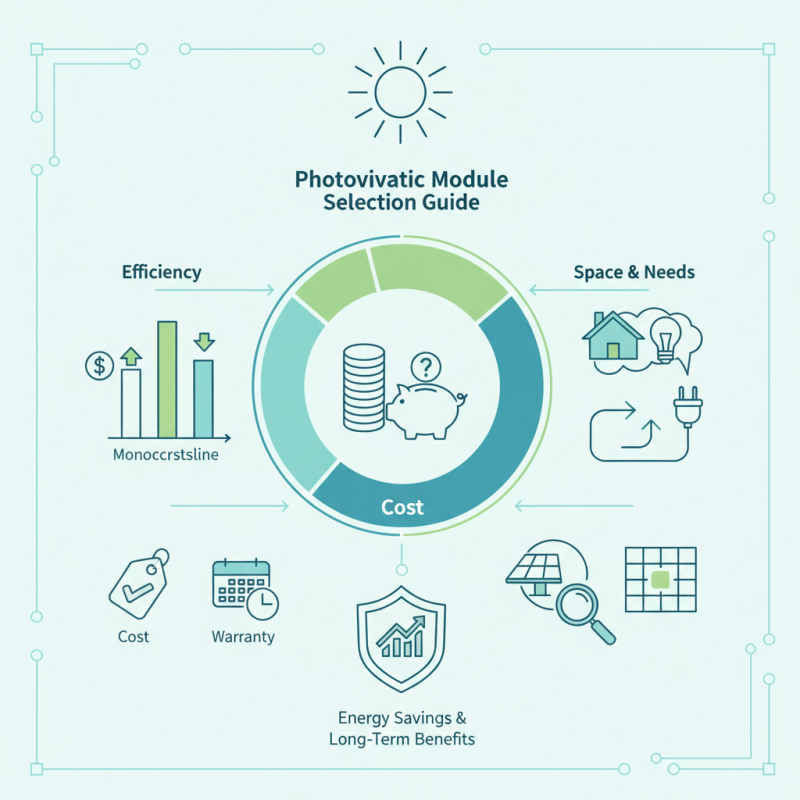
When selecting a Photovoltaic Module, consider efficiency, cost, and space availability. Evaluating these aspects is crucial for your specific needs. It's also vital to ask the right questions. Does the module fit your budget? What is the warranty? Reflecting on these points can lead to better choices. The right decision leads to greater energy savings and long-term benefits.
Understanding Your Energy Needs and Consumption Patterns
Understanding your energy needs and consumption patterns is crucial when choosing the right photovoltaic module. Start by analyzing your monthly electricity bill. Look for patterns in usage. Do you consume more on weekends? Knowing your peak usage times can guide your system size.
Consider the energy demands of your home. List your essential appliances. Calculate their combined wattage. Be aware that these values vary. Seasonal changes can impact energy use. If you often use heating or cooling systems, factor this into your needs. It’s essential to balance your energy generation with your actual consumption.
Sometimes, people underestimate their requirements. They opt for smaller systems, thinking they will save money. However, this can lead to energy shortages. Reflect on your energy habits. Do you want to increase your usage in the future? Will you add new appliances or electric vehicles? Planning for growth can save adjustments later. Finding the right photovoltaic module involves understanding not only what you need now, but also what you may need down the road.
Types of Photovoltaic Modules: Monocrystalline, Polycrystalline, and Thin-Film
When selecting photovoltaic modules, understanding the types is crucial. Monocrystalline modules represent the highest efficiency levels, typically ranging from 15% to 22%. They are made from a single crystal structure, leading to superior performance in low light conditions. This efficiency translates to more power generation in smaller spaces, making them ideal for residential rooftops.
Polycrystalline modules, on the other hand, are generally less efficient, with rates between 13% to 16%. They are created from multiple crystal structures, which reduces their cost but also their efficiency. A report from the International Renewable Energy Agency (IRENA) indicates that these panels can be more affordable, often appealing for large scale solar farms where space isn’t a constraint.
Thin-film modules offer unique benefits too, such as flexibility and lightweight design. Their efficiency often ranges from 10% to 12%, which is lower than the other types. However, they perform better in high temperatures and shaded environments. An industry study notes that thin-film technology is gaining traction in commercial applications, despite concerns over durability and degradation rates compared to crystalline options. It's essential to weigh these factors based on your specific energy needs and installation environment.
Evaluating Efficiency and Performance Ratings of Solar Panels
When selecting photovoltaic modules, efficiency and performance ratings are critical. The efficiency of a solar panel indicates how much sunlight is converted into usable electricity. According to recent industry reports, high-efficiency panels can reach over 22% efficiency. However, some budget options hover around 15% or lower.
Performance ratings are equally important. These ratings, such as the temperature coefficient, indicate how a solar panel performs in varying temperatures. For example, a temperature coefficient of -0.3%/°C means performance decreases by 0.3% for each degree Celsius above 25°C. This can significantly impact overall energy output, especially in hot climates.
Additionally, it's essential to consider real-world performance versus lab conditions. Some panels may perform well in testing but struggle under real-life conditions. Understanding these discrepancies can prevent disappointment. Evaluating efficiency alongside performance ratings ensures you choose solar panels that meet your specific energy needs.
Assessing Durability and Warranty Options for Photovoltaic Modules
When selecting photovoltaic modules, assessing their durability is crucial. Durability ensures the panels can withstand weather extremes. This includes high winds, hail, and snow. Many manufacturers will provide specifications on these aspects. Look for modules that have passed rigorous testing.
Warranty options are also an essential factor. A solid warranty reflects a company's confidence in its product. Common warranties include functionality and material. They typically range from 10 to 25 years. However, not all warranties are equal. Some may only cover certain types of damage. Read the fine print carefully.
Consider the conditions in your area. High humidity or frequent storms can be detrimental. Modules need to be resilient over time. Regular maintenance can help extend their life but requires effort. Think about your long-term needs. Is the warranty sufficient for potential repairs? Choosing wisely is vital for investment protection.
Considering Installation Requirements and Aesthetic Preferences
When selecting a photovoltaic module, installation requirements and aesthetic preferences are key. You want your solar panels to blend seamlessly with your roof or property. The roof angle and material can impact panel efficiency. For instance, a south-facing roof often generates the most energy. The system's orientation plays a crucial role in maximizing output.
Tips: Consider the tilt angle of your roof. This small detail can affect solar gain by up to 20%. If the angle is not optimal, so much potential energy may be lost.
Aesthetic choices matter, too. Some homeowners prefer sleek, black panels. Others might choose traditional blue ones. Design elements can vary significantly; some newer models feature low-profile designs that integrate better visually. Not all panels offer the same aesthetic appeal.
When buying, look out for local regulations. Zoning laws might restrict panel visibility. Some neighborhoods have specific guidelines for solar installations. Understanding these can prevent future adjustments or fines. Always incorporate aesthetic preferences into your planning to avoid costly mistakes later.